
The scope of work for a communications department in a large church can feel boundless. There are no shortages of opinions, expectations, or competing messages. And I don’t know about you, but I’m exhausted. Communication fatigue is real.
Most people who work in communications know the feeling of crafting the perfect text message, email, or flyer—only to hear, “I never heard about that. Why didn’t you tell us?”
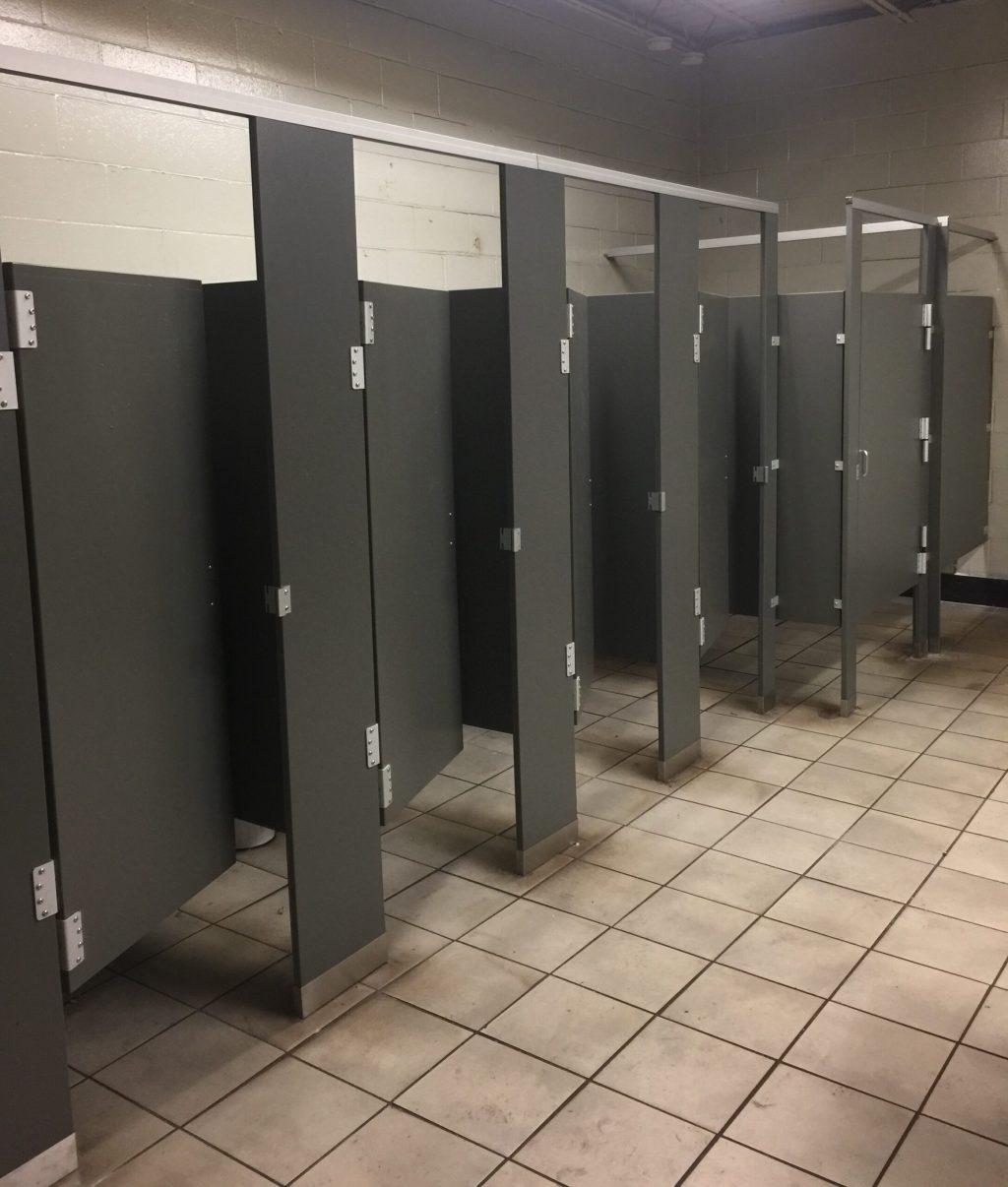
It was for all of those reasons that, when I was tasked with adding regularly updated bathroom posters, I dug my heels in.
“No one is reading what we already communicate,” I argued. “Why can’t we just let people have a little peace and quiet instead of adding announcements to bathroom stalls?”
I argued. And argued. And eventually, I lost.
But the resistance wasn’t just about workload. The bathroom posters came to represent something deeper: a loss of ownership and agency. It felt like others were stepping outside their lane and deciding how I should do my job. I felt powerless—and that feeling latched onto these posters as a convenient outlet.
Digging my heels in didn’t help. It increased tension, strained relationships, and quietly grew resentment.
I’d love to say I arrived at a moment of emotional maturity on my own.
I didn’t.
My boss eventually told me I had to do it.
And if I’m honest, what followed didn’t begin from health or humility. It began from bitterness—and maybe a little spite.
If I was going to be responsible for bathroom posters, I decided I was going to own them. And I was going to do them in a way that didn’t drain the life out of a bathroom stall.
So I leaned in.
I gave the posters a personality. They became cheeky. Self-aware. Lighthearted. They communicated only what was necessary—and poked fun at the sheer volume of information we try to share as a church.
And something surprising happened.
People loved them.
People quoted them back to me. More than once, I stared blankly at someone repeating a line—only to realize it was from the bathroom poster, something I’d already forgotten I wrote.
Humor and play shifted the power dynamic. They diffused tension. They gave me agency again. And because the posters were so different from every other communication channel we use, they actually worked.
I hate to admit it—but they became effective.
I wish I could say that solved everything.
It didn’t.
The posters still sneak up on me—especially when they’re outdated. I’d love to have unlimited bandwidth to make them a top priority, but that’s not the reality I work in.
They also have a way of finding me wherever I am. I try to work remotely when I can, simply because I get more done when people can’t physically locate me. Still, just this week, someone stopped me at Chick-fil-A to let me know the posters in the men’s bathroom were outdated.
I don’t share that with frustration. People notice because the posters are visible—and because they care. But it’s also a reminder that public-facing work doesn’t stay neatly contained within office hours. It follows you.
For a long time, our communications “team” was me and one part-time employee. Even now, capacity is limited. Despite updating the posters seasonally, I’ve been a week late the last two cycles. And people notice.
That’s forced me to face something uncomfortable:
Reclaiming agency didn’t create more capacity.
And that matters.
I think a lot of us are carrying things we didn’t choose.
Projects. Expectations. Decisions made upstream that land squarely on our desks.
Sometimes we can’t change the decision.
But we can decide whether we carry it with resentment or with agency.
And sometimes—even after we do that work—we still discover we don’t have the capacity to meet every expectation placed on us.
That doesn’t mean we failed.
It might mean the system is asking more than it can sustain.
And learning to name that honestly might be the most important leadership work of all.
 Growing A to Z
Leave a comment